

How Furnace Cleaning Prevents Breakdowns During Peak Heating Months
A well-maintained furnace is essential for keeping your home warm and comfortable during the coldest months, yet many homeowners overlook regular cleaning until a problem arises. Dust, debris, and buildup can restrict airflow, reduce efficiency, and even lead to unexpected breakdowns when you need heat most. Partnering with a trusted HVAC Company ensures that components are thoroughly inspected, cleaned, and optimized for peak performance. Routine maintenance not only prolongs the life of your system but also reduces energy costs and prevents inconvenient interruptions. This article explores how proper furnace cleaning helps you stay warm, avoid emergency repairs, and keep your heating system running smoothly all winter long.
Clearing Hidden Residue That Strains Components
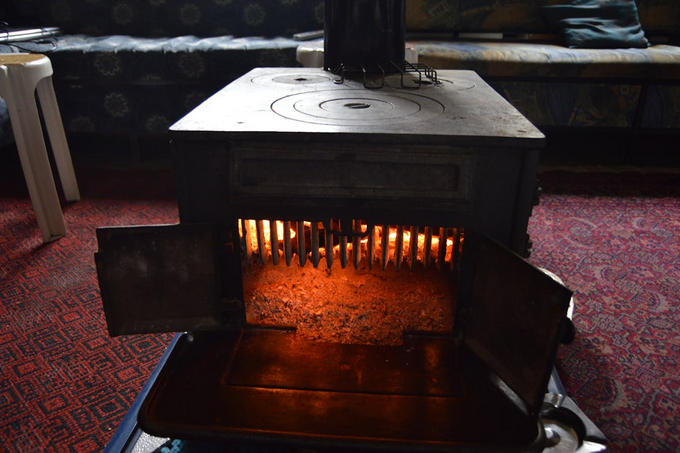
Filters only catch part of the mess. Residue settles deeper in burner chambers, blowers, and ignition points, slowing down every stage of the cycle. When airflow is even slightly blocked, the furnace runs longer to reach the same temperature, and over time, those stretched cycles wear down belts, bearings, and the motor. A professional cleaning removes buildup before it causes mechanical friction or delayed ignition. This preventive step helps the system maintain smooth combustion, steady flame patterns, and even heat distribution without overworking to compensate. Once the internal pathways are clear, the furnace uses less effort to achieve comfort because every part moves without battling resistance.
Reducing Overheating and Sudden Shutdowns
Furnaces often shut down mid-winter, not because they are old, but because grime prevents them from operating normally. Dirt makes heat-exchange surfaces work harder to release warmth, and that strain can cause sensors to trip before the home feels comfortable. Cleaning prevents this protection mechanism from activating unnecessarily by restoring clean airflow routes. When heat moves efficiently through ducts and chambers, internal temperatures stabilize rather than spike. This helps avoid mid-cycle stops, loud startup attempts, and those frustrating no-heat moments just as temperatures drop. A cleaner system stays active smoothly because every part receives balanced airflow, free from trapped dust.
Protecting Electrical Efficiency
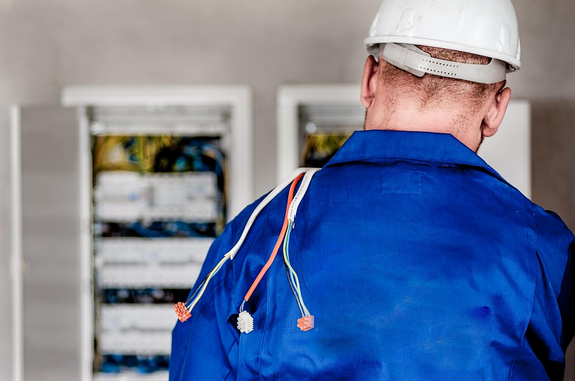
Dirty burners and clogged blowers force higher fuel or electrical draw even if thermostat settings remain unchanged. Cleaning before peak usage reduces that waste, so the furnace does not deliver maximum power for basic output. Once surfaces are cleared and ignition points shine consistently, energy use aligns with true heating demand rather than inflated effort. That efficiency supports both performance and cost control because the furnace runs in shorter, more effective cycles. With cleaner internals, you gain steady warmth without the financial shock that usually follows an overworked heating system during its busiest months.
Breakdowns rarely begin in mid-winter; they begin in the ignored buildup months earlier. Cleaning gives the furnace room to breathe, burn, and circulate without pressure that causes shutdowns or extended cycles. By clearing residue, protecting internal temperatures, and stabilizing fuel draw, maintenance prevents disruptions exactly when heat matters most. With airflow restored and effort reduced, the system performs confidently through peak cold without surprise service calls or chilly setbacks.