
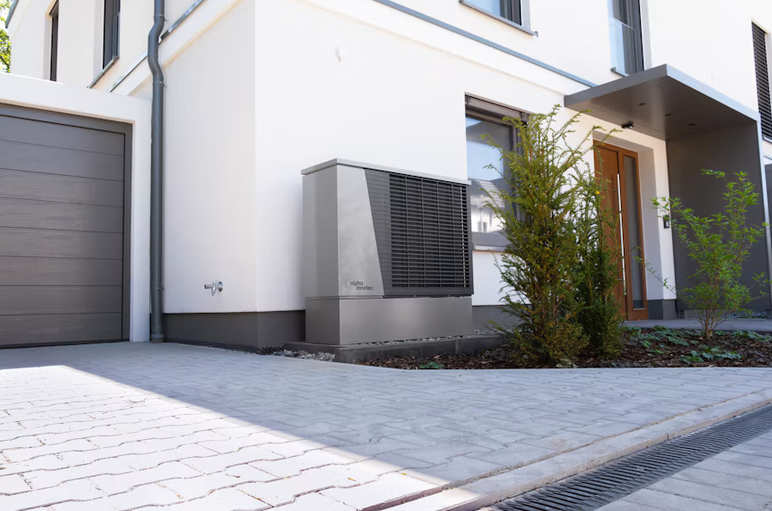
How Professional Heating Repairs Help Prepare Your Home for Colder Weather
Preparing a home for colder weather involves more than bringing out blankets and adjusting the thermostat. Heating equipment must be ready to provide consistent warmth when outdoor temperatures begin to drop. However, systems that have been inactive for several months may develop problems that are not immediately noticeable. Worn components, restricted airflow, electrical faults, and thermostat issues can affect performance when heating is needed most. Professional heating repairs help identify and address these concerns before they become major inconveniences. Emergency furnace repair by 3B Heating & Air can help homeowners address urgent heating problems and restore indoor comfort when unexpected breakdowns occur. A qualified technician can examine the equipment, determine which parts need attention, and restore proper operation. Taking care of heating problems early also helps homeowners avoid unexpected breakdowns during colder days. With proper preparation, families can maintain a comfortable indoor environment while reducing unnecessary stress on their heating systems.
Identifying Heating Problems Before Temperatures Drop
Heating problems are easier to address when they are discovered before the cold season begins. A system may appear functional during occasional use but struggle when required to operate for several hours each day. Small warning signs can indicate developing mechanical or electrical issues. Unusual noises, inconsistent temperatures, weak airflow, and frequent cycling are common examples. Some systems may also produce unusual odors or take longer than expected to warm a room. Ignoring these symptoms can allow minor defects to develop into more expensive repairs. Professional technicians inspect the equipment to determine what is causing these changes. They examine important components, test system operation, and identify parts that require repair or adjustment. Addressing these concerns early helps homeowners prepare their heating equipment for regular use.
Restoring Proper Heating System Performance
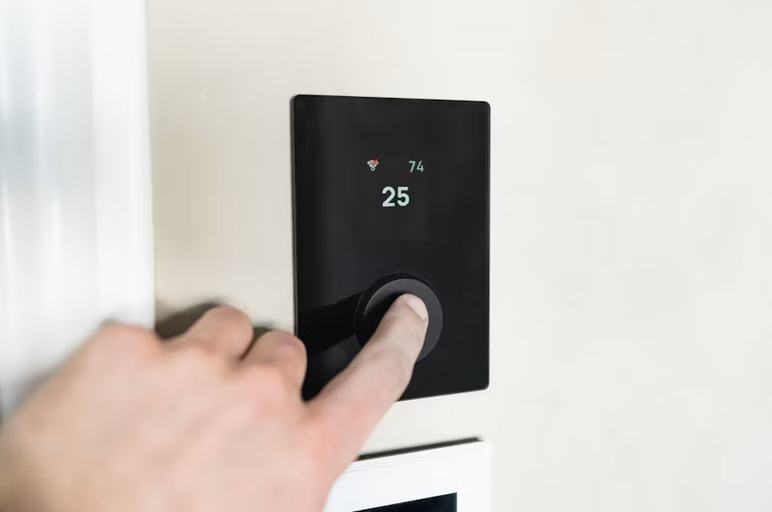
A heating system depends on several components working together to distribute warm air or heat throughout the home. When one part fails, the entire system may experience reduced performance. For example, a malfunctioning blower motor can affect airflow, while a faulty ignition component may prevent a furnace from starting properly. Professional heating repairs focus on correcting these problems rather than simply addressing their visible symptoms. Technicians use appropriate tools and diagnostic methods to locate the source of the malfunction. Depending on the equipment, repairs may involve replacing damaged electrical connections, fixing ignition problems, adjusting controls, or repairing mechanical components. Restoring proper operation allows the system to respond more consistently to thermostat settings. It also reduces the likelihood of repeated interruptions when colder weather increases household heating demands.
Improving Indoor Comfort and Temperature Consistency
Uneven indoor temperatures can make a home uncomfortable during colder months. One bedroom may feel warm while another remains noticeably chilly. This problem may result from blocked vents, damaged ductwork, blower issues, or heating components that are not operating correctly. A professional technician can investigate these conditions and recommend suitable repairs. The inspection may include checking air distribution, examining accessible duct connections, and testing the heating equipment’s performance. Correcting identified problems helps warm air reach the intended areas more effectively. Consistent heating is particularly important in homes with multiple rooms and different temperature needs. Properly functioning equipment allows occupants to enjoy a more comfortable environment without constantly adjusting the thermostat. It can also reduce the temptation to overheat certain areas to compensate for colder spaces elsewhere.
Supporting Energy Efficiency Through Timely Repairs
A heating system with damaged or poorly functioning components may consume more energy than necessary. When equipment struggles to reach the selected temperature, it may operate for longer periods. This can increase electricity or fuel consumption and place additional strain on internal parts. Timely repairs help address conditions that interfere with normal operation. For instance, correcting blower problems, repairing faulty controls, and resolving airflow restrictions can help the system operate closer to its intended performance level. However, energy efficiency also depends on insulation, home design, equipment condition, and thermostat settings. Repairs cannot eliminate every source of heat loss, but they can prevent equipment-related problems from adding to energy expenses. Homeowners may also ask technicians whether certain adjustments could improve performance without compromising comfort.
Protecting Household Safety During Heating Operation
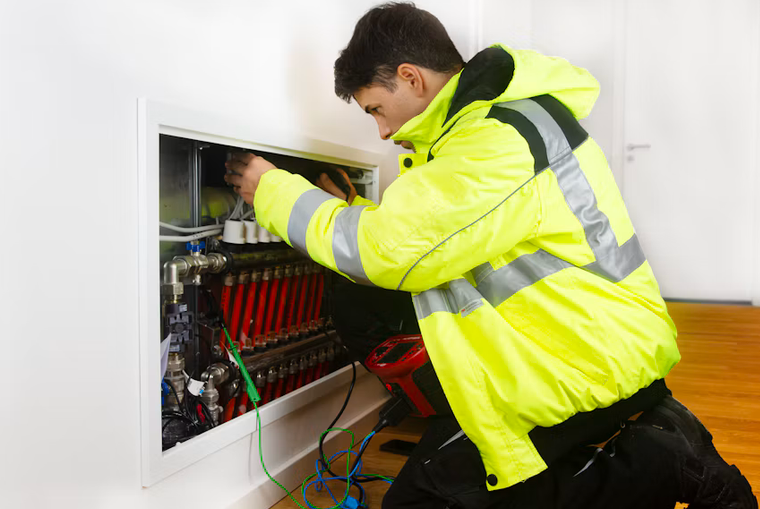
Heating systems require proper maintenance and safe operation. Depending on the equipment type, problems involving electrical connections, gas lines, ignition systems, or ventilation can create potential hazards. These concerns should never be ignored, particularly before a system enters its busiest operating period. Professional technicians can inspect relevant safety components and identify conditions that need immediate attention. For gas-powered furnaces, this may include checking combustion performance, examining venting arrangements, and looking for signs of improper operation. Electrical heating systems also require attention to wiring, connections, and protective controls. Homeowners should not attempt complicated repairs involving gas or electrical components without appropriate training. Professional assistance helps reduce the risk of unsafe adjustments and provides a more reliable way to address technical concerns. Working smoke and carbon monoxide alarms are also important household safety measures.
Planning Preventive Maintenance Before Winter
Repairing existing problems is an important part of cold-weather preparation, but homeowners should also consider preventive maintenance. A heating system that receives regular attention is less likely to develop avoidable operating problems during periods of frequent use. Technicians can recommend maintenance based on the equipment’s age, design, condition, and manufacturer instructions. Common tasks may include inspecting filters, checking electrical connections, examining moving parts, and testing thermostat operation. Some components may also require cleaning or adjustment to maintain proper performance. Scheduling professional attention before colder weather creates an opportunity to address concerns without waiting for an emergency. Homeowners can also ask about replacement parts, expected equipment lifespan, and signs that indicate future repair needs.